
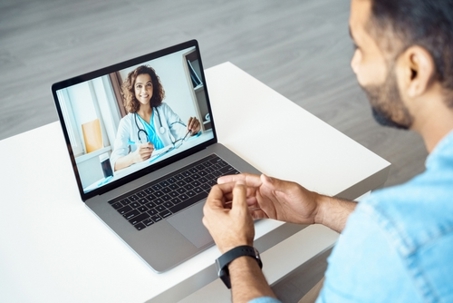
After an accident, getting medical care is a crucial step. Nowadays, many people start with a virtual doctor’s appointment instead of visiting in person. Telemedicine allows for quick communication with a healthcare provider, but it also raises an important question: Do telemedicine records count when documenting injuries for a personal injury claim?
For many injured individuals, the answer is yes. Telehealth visits can generate official medical records that help document symptoms, diagnoses, and treatment recommendations.
At Alex and LaFleur Attorneys at Law LLC, we often speak with clients in Baltimore and the surrounding areas who are unsure whether a virtual appointment “counts.” Understanding how these records fit into the documentation process can help you better protect your claim.
Why Medical Documentation Matters After an Accident
Medical documentation is vital in most personal injury claims. Insurance companies and courts frequently examine these records to understand what injuries occurred and how they evolved.
Medical records typically capture several key details about your condition and treatment.
For example, they may include:
- Date and time of treatment – Showing when you first sought care after the incident
- Description of the accident – Your explanation of how the injury occurred
- Reported symptoms and pain levels – The physical issues you experienced
- Medical assessment or diagnosis – The provider’s evaluation of your condition
- Treatment recommendations or referrals – Guidance for additional care or follow-up visits
Together, this information helps create a timeline linking the accident to your symptoms and treatment. When documentation is incomplete or delayed, insurers might question whether the injury is connected to the accident.
How Telemedicine Visits Can Document Injuries
Telemedicine appointments are increasingly used as the initial step in medical care after an accident. A virtual visit still creates a medical record, and that documentation is usually time-stamped and stored in the provider’s system.
During a telehealth visit, a healthcare provider may note your symptoms, assess visible limitations, and suggest next steps for treatment. These records might include physician observations, preliminary diagnoses, and referrals for services such as imaging or physical therapy. Telehealth documentation can serve as an early record of symptoms and care suggestions following an accident.
Because telemedicine visits depend heavily on patient communication, it’s important to clearly describe what happened and how you feel.
During the appointment, you may want to share information such as:
- Accident details – How the injury occurred and when it happened
- Symptoms – Pain, stiffness, headaches, dizziness, or other concerns
- Functional limitations – Difficulty walking, lifting, sleeping, or working
- Changes since the accident – Worsening pain or new symptoms
Following through with recommended care is also important. Consistent follow-up treatment helps reinforce the documentation created during the initial telemedicine visit and provides a clearer picture of how your injuries progress.
If you choose to use telemedicine after an accident, treat the appointment with the same seriousness as an in-person medical exam. Clear communication can impact how your condition is documented.
When Telemedicine Records May Be Used as Evidence
Medical records are commonly reviewed during personal injury claims, and, in most situations, they may be introduced as evidence in court.
In some cases—especially with smaller claims—medical documentation can be crucial for establishing the treatment timeline and the timeline of reported symptoms. Telemedicine records can demonstrate when injuries were initially reported, what assessments were conducted, and which treatment plan was suggested.
These records may also include medical opinions from the provider, such as assessments of symptoms or suggested care. In certain situations, medical records can be admitted without requiring the provider to appear in court solely to authenticate the documentation.
However, each case is unique. If disputes arise over issues such as long-term injury, causation, or future medical care, additional medical testimony or expert evaluation may still be required.
How Legal Guidance Helps Connect Medical Records to a Claim
Personal injury claims often require reviewing several medical records from various providers. Organizing and assessing these records can help create a clearer timeline of the injury.
Legal teams often review documentation to determine when treatment started, whether care stayed consistent, and how medical findings relate to the accident. This process may include gathering records, analyzing treatment history, and finding documentation that clarifies the link between the incident and the reported injuries.
When medical records are thorough and consistent, they can offer valuable insights into how an injury developed and how it impacted daily life.
Understanding the Role of Telemedicine in Injury Documentation
Telemedicine has become a more common way to seek medical care after an accident. When documented clearly, a virtual appointment can establish an early record of symptoms, treatment options, and the start of your recovery.
Accurate communication during the appointment and consistent follow-up care afterward can help strengthen the overall medical record.
If you have questions about how medical documentation fits into a personal injury claim in Baltimore or the surrounding areas, our team at Alex and LaFleur Attorneys at Law LLC can help you better understand the process and what steps may support your case. Contact us at (410) 755-5801 to schedule a consultation.